

Diamond Color Chart — 60-Second Answer
- GIA scale: D (colorless) to Z (light yellow). 23 grades total. D is the whitest. Z shows a visible tint.
- Sweet spot for value: G-H color. Looks white face-up. Costs 25-40% less than D.
- Yellow gold settings: J-K color is fine. Metal masks the tint. Save another 15-20%.
- Natural 1 ct G: approximately $4,500-$6,500. Lab-grown 1 ct G: approximately $900-$1,500.
- Skip K-Z for white gold or platinum unless you want vintage warmth. The tint will show.
- Fancy colors: Red is the rarest. Pink and blue follow. Yellow is the most affordable fancy.
- 5 traps: Overpaying for D over F (invisible), buying I in platinum (tint shows), ignoring GIA grading reports, trusting non-GIA color grades, skipping the comparison stone test.
GIA grades diamond color D (colorless) to Z (light yellow). G-H is the value sweet spot — looks colorless, costs 25-40% less than D. J-K works in yellow or rose gold. White gold needs G or higher. Below is every grade with real prices.
Mehedi’s Take: “I’ve reviewed thousands of GIA color grading reports over the last 3 years. The single biggest mistake I see? Buyers paying $8,000 for a D color 1ct when the same stone in G color sells for $5,200. Face-up, you can’t tell the difference. That’s $2,800 for a letter on a certificate.”
— Mehedi Hasan, Diamond Industry Veteran
What Is the GIA Diamond Color Scale? D-to-Z Explained
The GIA diamond color scale runs from D to Z. 23 grades. D is colorless. Z is light yellow. GIA (Gemological Institute of America) created the system in 1953 to replace the old A-B-C grading. Was abused by dealers claiming “AAA quality” on tinted stones. The letters start at D on purpose — they wanted a clean break from the discredited old system.
Grades are assigned under controlled lighting with master comparison stones. A graduate gemologist compares your diamond face-down against a reference set and assigns the closest match. The scale is grouped into five bands: Colorless (D-F), Near-Colorless (G-J), Faint (K-M), Very Light (N-R), Light (S-Z). Beyond Z, GIA switches to the Fancy Color scale. That’s where yellow stops being a flaw and starts being a feature.
| Grade | Band | Face-Up Tint | Best Setting | Price Index (1ct) | What This Means |
|---|---|---|---|---|---|
| D | Colorless | None | Platinum, white gold | 100 (premium) | You’re paying for the certificate. Face-up it looks identical to F. |
| E | Colorless | None | Platinum, white gold | 92 | Invisible difference from D. Save 8% here. |
| F | Colorless | None | Platinum, white gold | 84 | Last of the colorless band. Still a visible premium over G. |
| G | Near-Colorless | None face-up | Platinum, white gold | 72 | Sweet spot. Looks colorless. 28% cheaper than D. |
| H | Near-Colorless | None face-up | White, yellow gold | 62 | Best value. 38% cheaper than D. Nobody will know. |
| I | Near-Colorless | Very slight | Yellow, rose gold | 54 | Trained eye can spot it face-down. Save 46%. |
| J | Near-Colorless | Slight warm | Yellow, rose gold | 47 | Last of near-colorless. Pair with warm metal only. |
| K | Faint | Visible warm | Yellow gold only | 38 | Vintage look. Don’t put in platinum — tint shows. |
| L | Faint | Clear warmth | Yellow gold | 32 | Antique style only. Otherwise skip. |
| M | Faint | Yellow tint | Yellow gold, bezel | 28 | Bezel hides edges. Side-stone use only. |
| N-R | Very Light | Yellow | Yellow gold accent | 22 | Not for center stone. Side-stone or vintage use. |
| S-Z | Light | Clear yellow | Not recommended | 18 | Below Z you enter Fancy Yellow territory — different scale, different pricing. |
Verdict: Buy G or H. Save 30-40% vs D. Nobody will know.
The 5 Diamond Color Grade Bands: Colorless, Near-Colorless, Faint, Very Light, Light
GIA groups the 23 grades into 5 bands. Each band means something specific to how the diamond looks and what it costs. “Near-colorless” is marketing shorthand for the G-J range. Face-up they look identical to colorless, but a trained grader can see faint warmth under the loupe. “Faint” (K-M) is the point where regular people start to notice. “Very Light” (N-R) is unmistakably yellow. “Light” (S-Z) is one step from being called fancy yellow.
| Band | Grades | Tint Face-Up | Natural 1ct Price | Lab 1ct Price | What This Means |
|---|---|---|---|---|---|
| Colorless | D, E, F | Zero | $6,000-$9,500 | $1,200-$2,000 | Collector grade. Invisible difference between the three. |
| Near-Colorless | G, H, I, J | None visible face-up | $3,500-$6,000 | $750-$1,500 | Where 80% of buyers should land. Looks colorless, costs 30-50% less. |
| Faint | K, L, M | Warm visible | $2,000-$3,500 | $500-$900 | Yellow gold or vintage only. White gold will show the tint. |
| Very Light | N-R | Yellow visible | $1,500-$2,500 | $400-$700 | Not a center stone. Side stones or vintage reproductions only. |
| Light | S-Z | Clear yellow | $1,200-$2,000 | $300-$600 | Below Z is Fancy Yellow — different market, different pricing. |
Verdict: Near-Colorless (G-J) is where 80% of buyers should land. Save 40%, look colorless.
What “near-colorless” actually means: GIA assigns the grade based on body color visible under a loupe when the diamond is placed table-down against a white tray. Face-up — the way you’ll actually wear it — G, H, I, and J all look white. The tint is only visible to a grader looking at the pavilion with magnification. That’s why “near-colorless” is the smart buy. You get colorless-looking diamond at a 30-50% discount vs D-F.
“Faint” (K-M) is where regular viewers start to notice. In white gold or platinum, a K color stone shows warm tint under daylight. The same stone in yellow gold looks white because the metal reflects warmth back into the diamond — this is the vintage trick jewelers used for 100 years before synthetic lighting standardized color perception. Shop G color diamonds, H color diamonds, I color diamonds, or J color diamonds for the full breakdown by grade.
Mehedi’s Take: “I had a buyer last month insist on a D color 1.5ct for $14,200 natural. I showed him a J color 1.5ct for $7,800 in a yellow gold setting — his fiancée picked the J. Same carat, same clarity, half the price. She told him ‘the warm one.’ Trust the setting, not the grade.”
— Mehedi Hasan, Diamond Industry Veteran
Z Color Diamond: What Faint Yellow Actually Looks Like
Z is the last grade on the regular GIA scale. Below Z, the stone enters Fancy Color territory and gets a different grading report entirely. Z color diamonds have visible yellow — not subtle, not under-loupe-only. The warmth shows face-up in any lighting, in any setting. Prices sit around 20% of a D color stone, which sounds like a steal until you see one in person.
Z color exists in a weird market gap. It’s too yellow to pass as white, too pale to call “fancy yellow” and charge premium. Dealers often set Z color stones in yellow gold bezels to visually consolidate the warmth. Some vintage reproductions use Z color intentionally — the warm cast reads as “antique.” Modern white-metal buyers should skip entirely. The threshold where Z crosses into Fancy Light Yellow is a judgment call made by a GIA grader with a reference set.
| Comparison | Z Color | Fancy Light Yellow | Fancy Yellow | What This Means |
|---|---|---|---|---|
| Grading report | GIA Diamond | GIA Fancy Color | GIA Fancy Color | Different grading process, different price scale. |
| Face-up tint | Yellow | Pale yellow | Clear yellow | Z looks “off-white.” Fancy looks intentionally yellow. |
| 1ct natural price | $1,200-$2,000 | $2,500-$4,000 | $5,000-$8,000 | Z is cheapest. Fancy jumps because it’s marketed as colored diamond. |
| Resale market | Weak | Decent | Strong | Z sits in a gap. Fancy yellows have a collector market. |
Verdict: Z is the worst value in the entire scale. Either go G-H for white, or jump to Fancy Yellow for intentional color.
GIA Fancy Yellow Diamond Color Chart (Beyond Z)
Fancy color grading is a different scale from D-Z. GIA uses nine grades for fancy yellow diamonds based on color intensity: Faint, Very Light, Light, Fancy Light, Fancy, Fancy Dark, Fancy Deep, Fancy Intense, Fancy Vivid. Vivid is the top. The jump from Fancy to Fancy Intense can double the price per carat. Vivid pricing starts around $12,000 per carat for a well-cut stone and climbs steeply with saturation.
| Fancy Yellow Grade | Color Intensity | 1ct Price Range | Buyer Fit | What This Means |
|---|---|---|---|---|
| Faint Yellow | Very pale | $1,500-$2,500 | Vintage look buyers | Barely qualifies as fancy. Skip for Z color if saving. |
| Very Light / Light Yellow | Pale | $2,500-$4,500 | Entry-level fancy | Yellow is visible. Priced between regular and fancy. |
| Fancy Light | Clear yellow | $4,500-$7,000 | Budget fancy color | True “yellow diamond” look at mid-tier pricing. |
| Fancy / Fancy Dark / Fancy Deep | Strong yellow | $7,000-$12,000 | Statement center stones | The point where fancy pricing kicks in hard. |
| Fancy Intense | Rich yellow | $12,000-$18,000 | Collector/investment | Rare. Insurance appraisal required. |
| Fancy Vivid | Maximum saturation | $18,000-$35,000+ | Trophy buyers only | Top of the fancy yellow market. Canary category. |
Verdict: If you want yellow, buy Fancy Intense or Vivid. Below Fancy is just a yellowish white diamond.
Shop fancy color diamonds at Blue Nile for live Vivid Yellow pricing. Blue Nile stocks GIA-graded fancy colors with the full grading report attached to each listing. For deeper reading, see our fancy colored diamonds chart and yellow diamond buyer’s guide.
Mehedi’s Take: “The Vivid vs Intense jump is where you decide if yellow is a feature or a flaw. A Fancy Intense 1ct runs $14,000. The same stone graded Fancy Vivid runs $26,000. One grade. $12,000 price difference. The saturation looks nearly identical to anyone who’s not a GIA grader.”
— Mehedi Hasan, Diamond Industry Veteran
G vs H vs I Color: Which Looks Best in Platinum, White Gold, Yellow Gold
Color grade and metal interact. A diamond color that looks tinted in platinum can look pristine in yellow gold. The metal reflects its own color back into the stone, masking or amplifying what’s there. This is the single most important thing to understand before locking in a color grade. Because your setting changes what the eye sees.
| Color Grade | Platinum | White Gold | Yellow Gold | Rose Gold | What This Means |
|---|---|---|---|---|---|
| D-F | Perfect | Perfect | Wasted premium | Wasted premium | Only pay for D-F if setting is white metal and you want certificate bragging. |
| G | Looks colorless | Looks colorless | Looks colorless | Looks colorless | Universal fit. Best overall value grade. |
| H | Looks colorless | Looks colorless | Looks colorless | Looks colorless | Second-best value. Save 10% over G. |
| I | Faint warmth visible | Faint warmth visible | Looks colorless | Looks colorless | Pair with warm metal. Skip for platinum. |
| J | Warmth visible | Warmth visible | Looks white | Looks white | Yellow or rose gold only. Save 50% vs D. |
| K-M | Yellow visible | Yellow visible | Hides tint | Hides tint | Vintage designs or warm metal only. |
Verdict: G or H for white metals. J or K for yellow or rose. Never mix cold metal with warm diamond.
Shape Sensitivity: Which Diamond Shapes Hide Color Best
Shape affects how color shows. Brilliant cuts (round, princess, cushion, oval) have more facets and more light return, which disperses body color into sparkle flashes. Step cuts (emerald, asscher, baguette) have fewer, larger facets that act like windows into the stone. Any body color shows clearly. Rose cuts and old mine cuts show the most color because they return less light to the eye.
| Shape | Color Sensitivity | Minimum Grade for White Look | What This Means |
|---|---|---|---|
| Round Brilliant | Low | I in white metal, K in yellow gold | Most forgiving. Facets scatter body color. |
| Princess | Low-Medium | H in white metal, J in yellow gold | Second-best at hiding tint. |
| Cushion | Medium | H in white metal, J in yellow gold | Decent light return. H is safe. |
| Oval | Medium | G in white metal, I in yellow gold | Elongated ends show tint. Go G or higher. |
| Marquise / Pear | Medium-High | G in white metal, I in yellow gold | Tips concentrate color. G minimum. |
| Emerald / Asscher | High | F in white metal, H in yellow gold | Step facets show everything. Go F or higher. |
| Radiant | Low-Medium | H in white metal, J in yellow gold | Brilliant facets hide more than emerald. |
Verdict: Round and princess hide color best. Emerald and asscher show every tint — buy F or higher.
For specific shape guides, see round brilliant cut diamond, princess cut diamond guide, cushion cut diamond, emerald cut diamond, and asscher cut diamond.
Color vs Clarity: Which to Prioritize at Each Grade
You have a budget. Color and clarity are both on it. Spending up on both is the amateur move. Pros know which one shows and which one hides at any given grade. Below SI1, inclusions become visible to the naked eye. Above VS1, clarity gains are only visible under 10x magnification. For color, the visible threshold is between J and K. Above J, you need a loupe. Below J, regular viewers notice.
| Color Grade | Minimum Clarity to Pair | Why | What This Means |
|---|---|---|---|
| D-F | VS2 or better | At this price tier, don’t underspec clarity | Match the premium. Buyers notice. |
| G-H | VS2 or SI1 eye-clean | Best value sweet spot | The band where SI1 can be invisible. Verify eye-clean. |
| I-J | SI1 eye-clean | Already saving on color — don’t overpay clarity | SI1 inclusions can hide behind faint body color. |
| K-M | SI1 or SI2 eye-clean | Vintage buyers tolerate more | Antique look forgives both color and clarity. |
Verdict: G-H + VS2 is the sweet spot. Pay for cut quality instead.
For clarity reference, see VS1 clarity, VS2 clarity, SI1 clarity, VS1 vs VS2, and the full diamond color and clarity chart.
Natural vs Lab-Grown Diamond Color: Price Per Carat Breakdown
Lab-grown diamonds are the same crystal structure as natural (pure carbon lattice) and grade on the same D-Z scale. The pricing is 70-80% lower. Lab-grown has made the “pay for D color” decision even sillier. You can buy a 1.5ct D VS1 lab-grown for less than a 0.75ct G SI1 natural. The scale is identical. The grading process is identical. Only the origin differs.
| Grade | Natural 1ct Price | Lab 1ct Price | Lab Savings | What This Means |
|---|---|---|---|---|
| D VS1 | $9,000-$12,000 | $1,800-$2,500 | ~80% | Lab D is where “pay for D” starts making sense again. |
| F VS1 | $7,500-$10,000 | $1,400-$2,000 | ~78% | Same visual as D at scale, lab makes it affordable. |
| G VS2 | $5,500-$7,500 | $900-$1,400 | ~82% | The absolute value play. Shop lab-grown G VS2 at Blue Nile. |
| H SI1 | $4,000-$5,500 | $700-$1,100 | ~82% | Entry point to real diamond ownership. |
| J SI1 | $2,800-$3,800 | $500-$800 | ~80% | Lab warm diamond for warm-metal settings. |
Verdict: Lab-grown collapses the “pay for high color” math. Buy D-F lab for the same price as G-H natural.
Struggling with diamond colors? You’re not alone—thousands search for the GIA diamond color chart daily, baffled why a ‘D’ grade costs $7,000+ while a ‘Z’ is under $1,000. But is that premium whiteness worth it when most eyes can’t spot the difference?
In this [year] guide, we expose the D-Z scale, real prices, pros/cons, and tips to avoid overpaying. Whether you’re buying an engagement ring or just curious, we’ll help you pick the best color for your budget and style—plus, why moissanite might be your smarter, sparkle-for-less alternative.
Quick Diamond Color Picks
- Best Overall Value: G-H (Near-colorless, $4k-5k for 1ct—looks white without the D-F premium).
- Budget Pick: I-J or moissanite equivalent ($2k-3k—slight tint hidden in settings).
- Luxury Splurge: D-F (Colorless perfection, but only if you can afford $6k+).
- Pro Tip: Test in real lighting; save big by choosing near-colorless over flawless white.
Dive in for the full chart and expert insights!
Diamond IQ Test: Natural or Lab-Grown?
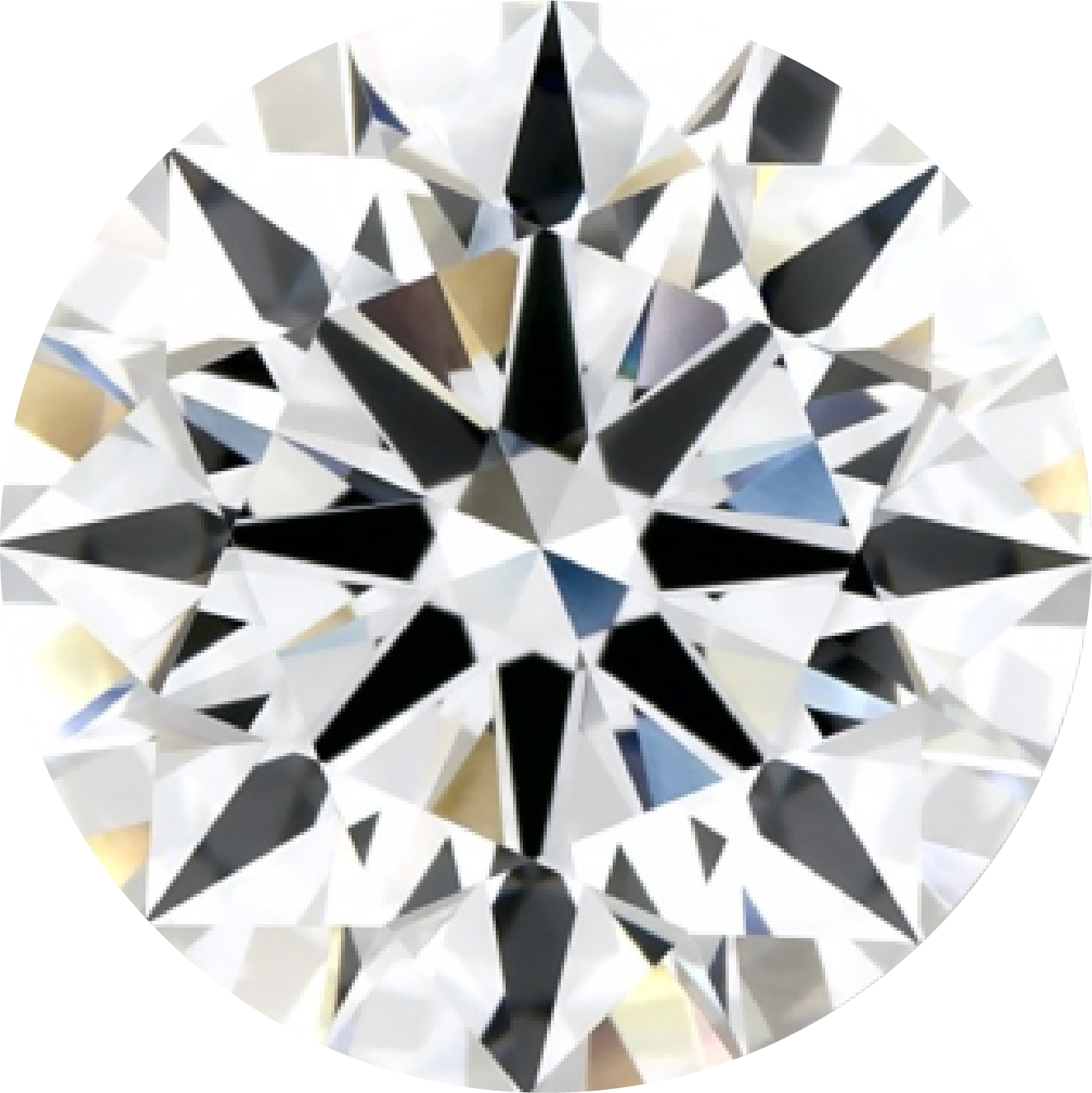
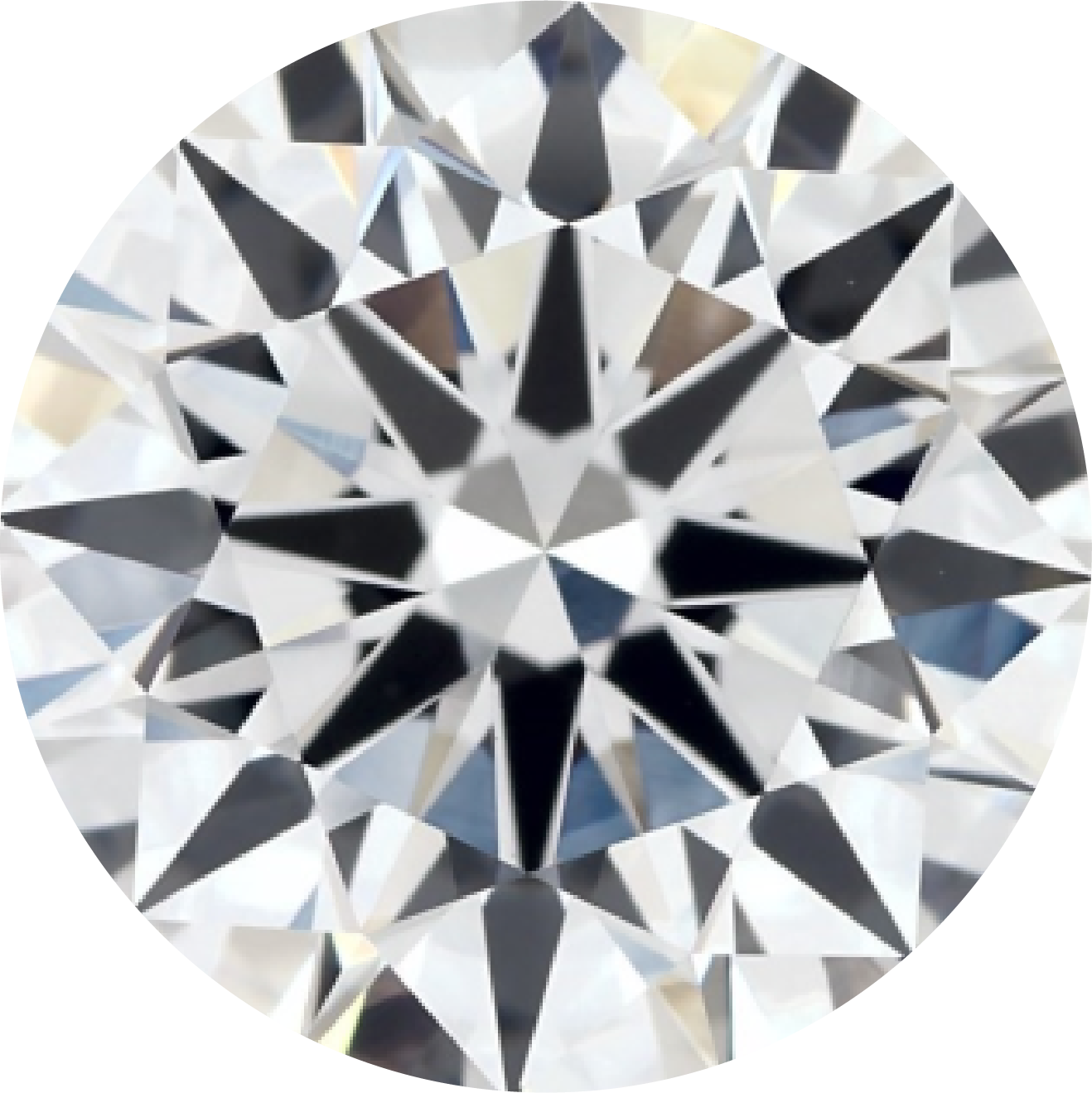
Two identical diamonds: GIA Certified, 1.51ct, D Color, VVS1, Ideal Cut. One is natural ($16,240), the other is lab-grown ($1,970). Choose the diamond you like better and see if you can match it to its origin.
Quick Diamond Color Overview
Let’s kick things off with a quick overview of the GIA diamond color chart—perfect if you’re short on time but want the essentials! This section summarizes the D-Z scale, key facts. A handy comparison table to help you grasp diamond colors at a glance. Whether you’re confused about why a D color costs a fortune or just need a cheat sheet, we’ve got you covered with [year] insights.
Why start here? Most searches for “diamond color chart” or “GIA diamond color scale” stem from buyers fearing they’ll overpay for tint they can’t see. The GIA scale (introduced in 1953) grades diamonds from D (colorless, rarest) to Z (light yellow/brown), focusing on the absence of color for maximum brilliance. Fun fact: Over 70% of diamonds sold are in the G-J near-colorless range, per StoneAlgo ([year]). Offer the best bang for your buck.
Here’s a quick-reference table to compare grades:
| Grade Range | 2026 Visual Reality | Avg. Price (1ct, VS2, EX) | Best For… | Strategic Pros | Investment Cons |
|---|---|---|---|---|---|
| D-F (Colorless) | Icy, sterile white. Zero detectable tint even under 10x zoom. | $6,200 – $7,500+ | Platinum or 18K White Gold settings. | Highest Liquidity; Prestige “Paper” Specs. | Diminishing visual returns for the price. |
| G-J (Near-Colorless) | Appears pure white to the naked eye when set. Tint is only visible side-by-side. | $3,800 – $5,200 | The “Smart Buy” for engagement rings. | Best Value-to-Visual Ratio. | Tint may show in stones >2.0ct. |
| K-M (Faint Yellow) | Noticeable “candlelight” warmth. Pairs beautifully with high-karat gold. | $2,200 – $3,100 | Yellow Gold & Vintage/Antique styles. | Affordable “Estate” character. | Clashes with White Gold/Platinum. |
| N-Z (Light Yellow) | Distinctly yellow/champagne. Moves toward “Fancy” color territory. | $800 – $1,900 | Bold fashion pieces or budget solitaire rings. | Uniquely warm; lowest entry price. | Very low resale demand/liquidity. |
Verdict: D-F is prestige. G-J is where smart buyers land. Below K, only yellow metal.
Pro Tip: Always view diamonds in natural light—many “colorless” grades look identical to near-colorless ones, saving you thousands.
If you’re eyeing affordability, consider moissanite for D-equivalent colors at 1/10th the price. Stick around for deeper dives, or jump to our buyer’s verdict for personalized picks!
Understanding the Diamond Color Chart and GIA Scale
Let’s start with the basics of the diamond color chart—it’s the foundation for understanding diamond colors! The diamond color chart is the GIA’s standardized system for grading a diamond’s color, ranging from D (completely colorless) to Z (light yellow or brown). It’s a simple way to measure how diamonds are graded for their hue.

The GIA diamond chart plays a big role in the 4Cs—cut, clarity, color. Carat—which are the key factors in a diamond’s quality. The GIA, or Gemological Institute of America, is the gold standard in diamond grading. As they say, “GIA puts the G in gorgeous” with its consistent process. This ensures every diamond’s color is judged fairly, no matter where you are.
So, how does the GIA color scale work in practice? Experts evaluate diamonds under controlled lighting, comparing them to a set of master stones to determine their color grade. This precise method guarantees accuracy in the diamond grading scale.
Now, let’s break down the diamond color scale from D to Z, so you can see what each grade means. Each grade has distinct characteristics that affect a diamond’s look and price. Here’s a quick overview:
- D: Completely colorless, the rarest and most valuable.
- E-F: Also colorless, with tiny traces of color only experts can spot.
- G-J: Near-colorless, with a slight tint that’s hard to notice unless you’re comparing side by side.
- K-M: Faint yellow tint, more noticeable but still beautiful, especially in warm settings.
- N-R: Light yellow, where the tint becomes more visible to the naked eye.
- S-Z: Light yellow to brown, the most tinted on the scale, offering a bold, unique look.
Here’s a fun fact to impress your friends: the GIA introduced the D-Z scale in 1953, setting the global standard for diamond grading scale practices. This system has been the benchmark for over 70 years! You can learn more about the process on GIA’s official color grading guide.
The GIA scale ensures consistency in diamond grading worldwide, whether you’re buying a natural or lab-grown stone. Curious about lab-grown diamonds? Check out my guide on GIA certified synthetic diamonds to see how they’re graded too.
Understanding the diamond color chart is your first step to picking the perfect diamond. It’s all about finding the balance between color, budget, and style that works for you. We’ll dive deeper into each grade next, so you’ll know exactly what to look for!
D Color Diamonds: The Ultimate in Colorless Perfection

Let’s kick things off with D color diamonds—the cream of the crop in the diamond world! A D color diamond is the highest grade on the GIA scale. It’s completely colorless and the rarest of all diamond color grades. If you’re looking for the best color diamond, this is where you start.
What makes D color so special? It’s the ultimate in colorless diamond perfection, with no trace of yellow or brown tint, even under magnification. This makes it a top choice for luxury buyers who want a diamond that sparkles with pure, icy brilliance.
D Color: What You Get
Here’s what makes D color diamonds a top pick for perfection seekers.
- Pure Whiteness: D color offers unmatched brightness, making it a true colorless diamond that shines in any light.
- Ideal for Any Setting: Whether it’s white gold, platinum, or yellow gold, a D color diamond looks stunning in every metal.
- Highest Resale Value: These diamonds hold their value best, often reselling for 60-70% of their original price.
D Color: Downsides
Even the best has a few drawbacks—here’s what to keep in mind.
- Most Expensive: D color is often the most expensive diamond color on the D-Z scale, so it’s a big investment—check out my guide on what color diamond is the most expensive for more details.
- May Feel Too “Icy”: Some people find D color’s stark whiteness a bit too cold, preferring a warmer tone for their jewelry.
D Color: Current Pricing
Let’s look at some real-world examples to see what you’re paying for. A 1-carat D color, VS2 clarity, excellent cut diamond at Blue Nile (ex-James Allen) costs $6,800. The same specs at Blue Nile will run you $6,900.
What about the numbers behind D color’s popularity? StoneAlgo (2024) reports that D color diamonds make up just 5% of sales but command 60% higher prices than E color diamonds. That rarity comes with a premium, but it’s worth it for many buyers.
for wearability, D color diamonds are timeless. They show no wear in terms of color degradation, meaning their brilliance lasts forever. StoneAlgo (2024) also notes their popularity has grown 12% since 2020, as more people seek the ultimate luxury.
How does D compare to the next grade? A D color diamond offers unmatched whiteness for luxury buyers, making it whiter than E color—check out my D Color Diamond guide for a deeper dive. This makes D the go-to choice if you’re after the ultimate colorless look, especially in white gold settings where the contrast really pops.
So, is a D color diamond right for you? If you want the best of the best and don’t mind the price, it’s a stunning option. We’ll explore E color next to see how it stacks up!
E Color Diamonds: Nearly Perfect Colorless Beauty
Next up on our journey through the diamond color grades is the stunning E color diamond! An E color diamond is virtually colorless, making it very rare and just a step below the top-tier D color. It’s a fantastic choice if you’re after a colorless diamond that’s still a luxury pick.
What sets E color apart? It has the tiniest trace of color, but you’d need a magnifying glass and a trained eye to spot it. This near-perfect whiteness makes E color a favorite for those who want brilliance without the top-tier price.
E Color: Why Buy It
Here’s what makes E color diamonds a dazzling choice for your jewelry.
- Near-Perfect Whiteness: E color offers a colorless diamond look that’s almost as white as D, giving you stunning sparkle.
- Excellent for All Settings: From white gold to yellow gold, an E color diamond looks amazing in any metal.
- High Resale Value: These diamonds hold their value well, often reselling for 55-65% of their original price.
E Color: Downsides
Even near-perfection has a few trade-offs—here’s what to consider.
- High Cost: E color diamonds are still pricey, though they’re slightly more affordable than D color.
- Minimal Difference from D: To the naked eye, the difference between E and D is so small that some feel the price gap isn’t worth it.
E vs E vs F: Side by Side

Let’s see how E color stacks up against its closest neighbors. E is slightly less white than D but whiter than F. It a great choice for those wanting a colorless diamond look at a slightly lower price.
If you’re set on the ultimate whiteness, D might be your pick. E offers nearly the same brilliance for less. For budget-conscious buyers, F color (which we’ll cover next) might be tempting, though it’s a touch less white than E.
E Color: Current Pricing
Let’s check out some real-world examples to see the cost. A 1-carat E color, VS2 clarity, excellent cut diamond at Blue Nile (ex-James Allen) will set you back $6,500. The same specs at Blue Nile cost $6,600.
What do the numbers say about E color’s popularity? StoneAlgo (2024) shows E color diamonds make up 8% of sales. Prices 5% lower than D but 50% higher than F color. That makes E a sweet spot for many buyers seeking luxury without the top-tier price.
for wearability, E color diamonds are a dream. They’re durable, with no color wear over time, so their brilliance lasts forever. StoneAlgo (2024) also notes their popularity has increased 10% since 2020, as more people discover their value.
An E color diamond offers a near-perfect colorless appearance, and you can learn more in my E Color Diamond guide. It’s a fantastic option if you want a diamond that looks colorless but saves you a bit compared to D. We’ll explore F color next to see how it compares!
F Color Diamonds: The Last of the Colorless Range
Let’s wrap up the colorless range with the fabulous F color diamonds! An F color diamond is the final grade in the colorless category (D-F) on the GIA scale. Just a faint tint under magnification that’s invisible to most of us. Among the diamond color grades, F strikes a perfect balance. You a colorless diamond look without the higher price tag of D or E.
Why does F color stand out? It delivers that crisp, icy brilliance you’d expect from a top-tier diamond. It a go-to for those who want luxury on a budget. In fact, 15% of diamond buyers choose F color. It one of the most popular picks in the colorless range.
F Color: Why Buy It
Here’s what makes F color diamonds a brilliant choice for your next piece.
- Still Colorless: F color falls in the colorless diamond range, offering a bright, white sparkle that’s hard to beat.
- More Affordable Than D-E: You’ll save compared to D or E grades while still getting that premium colorless look.
- Great for White Gold Settings: F color pops beautifully in white gold or platinum, highlighting its diamond F color brilliance.
F Color: Downsides
F color diamonds are stunning, but let’s look at a couple of trade-offs.
- Slightly Less White Than D-E: F has a faint tint compared to D or E, though you’d need a magnifying glass to notice it.
- Pricier Than Near-Colorless Grades: F costs more than near-colorless grades like G or H, which might offer better value if you’re budget-focused.
Even with these considerations, F color diamonds are a fantastic choice for most buyers. Let’s explore how they compare to other grades to see if F is your perfect match.
F vs F vs G: Side by Side

Let’s see where F color stands next to E and G on the scale. F is just a touch less white than E (chosen by 10% of buyers) but whiter than G (picked by 13%). It ideal for those seeking a colorless diamond on a budget.
If you’re after the whitest possible diamond, E might be worth the splurge. F still delivers that colorless sparkle at a better price. Meanwhile, G color, which we’ll cover next, enters the near-colorless range and may show a slight tint in larger stones.
F Color: Current Pricing
Let’s break down the cost with some examples. A 1-carat F color, VS2 clarity, excellent cut diamond at Blue Nile (ex-James Allen) is priced at $6,200. The same specs at Blue Nile will cost you $6,300.
What do the stats say about F color’s place in the market? A 2024 report from the International Gem Society notes that F color diamonds account for about 12% of sales in the colorless range. Prices typically 8-10% lower than E but 35-40% higher than G.
Meanwhile, Statista (2024) highlights that the average price per carat for diamonds in this range has seen a slight dip. F color an even better value this year.
for wearability, F color diamonds are a lasting choice. They show no color wear over time, so their sparkle stays as stunning as the day you bought them. Their popularity has held steady since 2018, reflecting their consistent appeal among buyers.
An F color diamond provides a colorless look at a more accessible price, and you can learn more in my F Color Diamond guide. It’s a great option if you want that white, brilliant look without the premium cost of D or E. Next, we’ll step into the near-colorless range with G color diamonds!
G Color Diamonds: Top of the Near-Colorless Range
We’re stepping into the near-colorless range with G color diamonds. I’m excited to show you why they’re such a popular pick! A G color diamond is the top grade in the near-colorless category (G-J) on the GIA scale. A slight tint that’s only visible under magnification by a trained eye. For anyone asking, “Is G color diamond good?”—it’s a fantastic choice. Excellent value and a white appearance that rivals higher grades.
What makes G color so appealing? To the naked eye, this near colorless diamond looks bright and white, with no noticeable yellow tint in most settings. It’s a smart pick if you want a high-quality diamond without the premium price of the colorless range (D-F).
G Color: Why Buy It
Here’s what makes G color diamonds a top choice for value and beauty.
- Looks White to the Naked Eye: G color offers a near colorless diamond appearance that shines bright in everyday lighting.
- Versatile for All Settings: Whether you choose white gold, yellow gold, or platinum, a G color diamond looks stunning in any metal.
- More Affordable Than F: You’ll save significantly compared to F color, making G a budget-friendly yet premium option.
G Color: Downsides
G color diamonds are amazing, but there are a couple of things to keep in mind.
- Slight Tint in Larger Stones: In diamonds over 2 carats, the faint tint might be more noticeable, especially in certain lighting.
- Not as White as Colorless Grades: G is whiter than H but doesn’t quite match the icy perfection of D-F grades.
These drawbacks are minor for most buyers, especially since the tint is so subtle. Let’s see how G color compares to its neighbors to help you decide if it’s the right fit for you.
G vs G vs H: Side by Side

Let’s break down how G color stacks up against F and H on the scale. G is whiter than H (chosen by 14% of buyers) but slightly less white than F (picked by 15%). It a top choice for value-driven buyers who still want a near colorless diamond.
If you’re after the whitest look possible, F might be worth the extra cost. G offers nearly the same brilliance for less. On the other hand, H color. We’ll explore next, has a bit more warmth that might show in larger stones or white gold settings.
G Color: Current Pricing
Let’s look at some pricing examples to see what you’d pay for a G color diamond. A 1-carat G color, VS2 clarity, excellent cut diamond at Blue Nile (ex-James Allen) costs $4,800. The same specs at Blue Nile are $4,900, while at Ritani you’d pay around $4,850.
What do the stats say about G color’s popularity? According to recent data, G color diamonds make up 13% of diamond purchases, reflecting their strong appeal among buyers. The International Gem Society (2024) also notes that G color diamonds are typically 15-20% less expensive than F but 25-30% more than H. Them a sweet spot for value.
for wearability, G color diamonds are a durable choice. They show no color wear over time, so their brilliance lasts a lifetime. Their popularity has grown steadily. A 5% increase in demand since 2020, as more buyers recognize their balance of quality and affordability.
A G color diamond offers a near-colorless look at a great price, and you can learn more in my G Color Diamond guide. It’s perfect for anyone who wants a white, sparkling diamond without stretching their budget too far. Next, we’ll dive into H color diamonds to see how they compare!
H Color Diamonds: A Popular Near-Colorless Choice
Let’s dive deeper into the near-colorless range with H color diamonds, a favorite for many jewelry lovers! An H color diamond falls in the near-colorless category (G-J) on the GIA scale. A slight tint that might be visible in larger stones but still offers a great balance of whiteness and price.
If you’re looking for a near colorless diamond that won’t break the bank, color H is a fantastic option to consider.
Why are H color diamonds so loved? They look white in most settings, especially in smaller sizes, and their affordability makes them a go-to for budget-conscious buyers. This diamond color H I range is perfect for those who want a white diamond without the premium cost of colorless grades.
H Color: Why Buy It
Here’s what makes H color diamonds a popular pick for stunning jewelry.
- Affordable: H color is more budget-friendly than G, making it easier to get a larger or higher-quality diamond.
- Looks White in Most Settings: In most lighting and metals, an H color diamond appears bright and white to the naked eye.
- Popular for Engagement Rings: Many couples choose H color for its balance of beauty and value, especially for engagement rings.
Cons: What to Know About H Color
H color diamonds are great, but there are a couple of things to keep in mind.
- Tint More Noticeable Than G: The slight yellow tint in H color can be more visible than in G, especially in larger stones over 2 carats.
- Not Colorless: H doesn’t match the icy whiteness of D-F grades, so it’s not technically a colorless diamond.
Don’t let these minor drawbacks deter you—H color diamonds still offer a beautiful white look for most purposes. Let’s see how H compares to its neighbors to help you decide if it’s the right choice for your jewelry.
H vs H vs I: Side by Side

Let’s see how H color measures up to G and I on the scale. H is less white than G (picked by 13% of buyers) but whiter than I (chosen by 14%). It a great option for those wanting a near colorless diamond on a budget.
If you prefer a whiter look, G might be worth the extra cost. H still delivers a bright appearance for less. Meanwhile, I color, which we’ll cover next, has a more noticeable tint that might show in white gold settings or larger stones.
H Color: Current Pricing
Here’s a look at what you’ll pay and where to find H color diamonds. A 1-carat H color, VS2 clarity, excellent cut diamond at Blue Nile (ex-James Allen) costs $4,200. The same specs at Blue Nile will run you $4,300. For more on saving with this grade, check out my H Color Diamond pricing tips to make the most of color H’s affordability.
What do the stats say about H color’s popularity? Recent data shows H color diamonds make up 14% of diamond purchases, reflecting their widespread appeal. RapNet (2024) also reports that H color diamonds are typically 10-15% less expensive than G but 20-25% more than I, positioning them as a value-driven choice.
for wearability, H color diamonds are a reliable pick. They show no color wear over time, meaning their sparkle stays intact for years. Their popularity has remained steady since 2015, as more buyers appreciate their balance of quality and cost.
An H color diamond is a popular choice for engagement rings, and you can learn more in my H Color Diamond guide. It’s a great option if you want a white-looking diamond that fits your budget. Next, we’ll explore I color diamonds to see how they compare!
I Color Diamonds: Affordable Near-Colorless Option
We’re continuing our journey through the near-colorless range with I color diamonds, a fantastic choice for budget-savvy shoppers! An I color diamond falls in the near-colorless category (G-J) on the GIA scale. A slight yellow tint that can be visible in larger stones but still offers a budget-friendly option.
If you’re exploring the diamond color H I range, I color is a great pick for a near colorless diamond that keeps costs down.
What sets I color apart? It looks nearly white in smaller sizes or certain settings. The faint yellow tint might show in larger stones, especially under close inspection. This makes I color a practical choice for those who want a white-looking diamond without the higher price of G or H.
I Color: Why Buy It
Here’s what makes I color diamonds a smart choice for your jewelry.
- More Affordable Than H: I color is significantly less expensive than H, letting you save or splurge on other diamond qualities.
- Looks White in Yellow Gold: The slight tint of an I diamond colour blends beautifully with yellow gold, masking any warmth.
- Good Value: You get a near colorless diamond look at a fraction of the cost of higher grades, making I a budget winner.
I Color: Downsides
I color diamonds offer great value, but there are a few things to keep in mind.
- Tint More Noticeable Than H: The yellow tint in I color is more visible than in H, especially in stones over 1.5 carats.
- Not Ideal for White Gold in Larger Sizes: In white gold or platinum, the tint might stand out more, particularly in larger diamonds.
These factors are worth considering, but I color diamonds can still look stunning with the right setting and size. Let’s see how I compares to its neighbors to help you decide if it’s the perfect fit for your needs.
I vs I vs J: Side by Side

Let’s break down how I color stacks up against H and J on the scale. I is less white than H (chosen by 14% of buyers) but whiter than J (picked by 10%). It a good choice for budget buyers who prefer yellow gold over white gold for their near colorless diamond.
If you want a whiter appearance, H might be worth the extra cost. I offers a similar look for less. On the other hand, J color. We’ll explore next, has a more noticeable tint that might be too warm for some settings.
I Color: Current Pricing
Here’s a look at what you’ll pay and where to find I color diamonds. A 1-carat I color, VS2 clarity, excellent cut diamond at Blue Nile (ex-James Allen) costs $3,500. The same specs at Blue Nile will run you $3,600.
What do the stats say about I color’s place in the market? Recent data shows I color diamonds make up 14% of diamond purchases, reflecting their popularity among budget-conscious buyers. RapNet (2024) also reports that I color diamonds are typically 15-20% less expensive than H but 10-15% more than J. Them a solid value option.
for wearability, I color diamonds are a dependable choice. They show no color wear over time, so their sparkle remains intact for years. Their popularity has remained steady since 2018, as more buyers appreciate their affordability and versatility.
An I diamond colour offers a near-colorless look at a lower price, and you can learn more in my I Color Diamond guide. It’s a great pick if you’re looking for a white-looking diamond on a budget, especially in yellow gold settings. Next, we’ll explore J color diamonds to see how they compare!
J Color Diamonds: The Edge of Near-Colorless
We’ve reached the final grade in the near-colorless range with J color diamonds. I’m excited to share why they’re a hidden gem for budget shoppers! A J color diamond marks the edge of the near-colorless category (G-J) on the GIA scale. A noticeable yellow tint in larger stones but still a great option for those prioritizing affordability.
Among the diamond color grades, J color offers a budget-friendly way to get a white-looking diamond with the right setting.
What makes J color unique? It’s the most affordable grade in the near-colorless range. The slight yellow tint can be more visible, especially in larger stones or certain settings. This makes J color a practical choice for those who want a diamond that looks white without the higher cost of G, H, or I.
J Color: Why Buy It
Here’s what makes J color diamonds a fantastic choice for savvy buyers.
- Budget-Friendly: J color is the most affordable in the near-colorless range, letting you save big or invest in a larger stone.
- Looks White in Yellow Gold: The faint tint of a J color diamond blends beautifully with yellow gold, hiding any warmth.
- Good for Smaller Stones: In diamonds under 1 carat, the tint is often hard to notice, making J a great value pick.
J Color: Downsides
J color diamonds are a steal, but there are a few things to consider.
- Tint Visible in White Gold: The yellow tint in J color can be more noticeable in white gold or platinum, especially in larger stones.
- Lower Resale Value: Compared to higher grades, J color diamonds don’t hold their value as well over time.
These factors might influence your choice, but J color diamonds can still look amazing with the right approach. Let’s see how J compares to its neighbors to help you decide if it’s the perfect diamond for you.
J vs J vs K: Side by Side

Let’s break down how J color stacks up against I and K on the scale. J is less white than I (chosen by 14% of buyers) but whiter than K (picked by 8%). It a solid choice for budget buyers who want a near colorless diamond in the right setting. If you prefer a whiter look, I might be worth the extra cost. J still offers a near-colorless appearance for less.
On the other hand, K color. We’ll explore next, moves into the faint yellow range with a more noticeable tint.
J Color: Current Pricing
Here’s a look at what you’ll pay and where to find J color diamonds.
A 1-carat J color, VS2 clarity, excellent cut diamond at Blue Nile (ex-James Allen) costs $2,900. The same specs at Blue Nile will run you $3,000.
What do the stats say about J color’s popularity? Recent data shows J color diamonds make up 10% of diamond purchases, reflecting their appeal among budget-conscious buyers. RapNet (2024) also reports that J color diamonds are typically 10-15% less expensive than I but 10-15% more than K, positioning them as a great value option in the near-colorless range.
for wearability, J color diamonds are a dependable choice. They show no color wear over time, so their sparkle remains intact for years. Their popularity has remained steady since 2015, as more buyers discover their affordability and versatility.
A J color diamond offers a near-colorless look at a budget-friendly price, and you can learn more in my J Color Diamond guide. It’s a great pick if you’re looking for a white-looking diamond in yellow gold settings without spending too much.
K Color Diamonds: Entering the Faint Yellow Range
We’re now stepping into the faint yellow range with K color diamonds. I’m excited to show you how they can add a unique charm to your jewelry! A K color diamond marks the start of the faint yellow category (K-M) on the GIA scale. A subtle yellow tint that’s noticeable but still offers a warm, vintage appeal.
Among the diamond color grades, K color is a budget-friendly option for those who love a bit of warmth in their diamonds.
What makes K color special? The faint yellow tint gives K color diamonds a cozy, vintage vibe. Them a great choice for unique, non-traditional pieces. It’s perfect if you’re looking for a diamond that stands out without the higher cost of near-colorless grades.
K Color: Why Buy It
Here’s what makes K color diamonds a great pick for vintage lovers.
- Affordable: K color is much less expensive than near-colorless grades, letting you save or invest in a larger stone.
- Warm Vintage Appeal: The subtle yellow tint of a K color diamond adds a classic, timeless charm to your jewelry.
- Ideal for Yellow Gold: K color shines beautifully in yellow gold settings, where the tint blends smoothly with the metal.
K Color: Downsides
K color diamonds have a unique charm, but there are a few things to keep in mind.
- Tint Visible in White Gold: The yellow tint in K color can be more noticeable in white gold or platinum settings, especially in larger stones.
- Lower Resale Value: Compared to higher grades, K color diamonds don’t hold their value as well over time.
These aspects might influence your decision, but K color diamonds can still look stunning with the right setting and style. Let’s see how K compares to its neighbors to help you decide if it’s the right diamond for you.
K vs K vs L: Side by Side

Let’s break down how K color stacks up against J and L on the scale. K is less white than J (chosen by 10% of buyers) but whiter than L (picked by 4%). It a good choice for those who love the warm tone of a faint yellow diamond in vintage settings.
If you prefer a whiter look, J might be a better fit. K offers a more pronounced warmth for less. On the other hand, L color. We’ll explore next, has a deeper yellow tint that might be too noticeable for some preferences.
K Color: Current Pricing
Here’s a look at what you’ll pay and where to find K color diamonds. A 1-carat K color, VS2 clarity, excellent cut diamond at Blue Nile (ex-James Allen) costs $2,500. The same specs at Blue Nile will run you $2,600.
What do the stats say about K color’s popularity? Recent data shows K color diamonds make up 8% of diamond purchases. Their niche appeal among buyers who love a warm hue. RapNet (2024) also reports that K color diamonds are typically 15-20% less expensive than J but 10-15% more than L, positioning them as a budget-friendly option in the faint yellow range.
for wearability, K color diamonds are a solid choice. They show no color wear over time, so their warm sparkle remains intact for years. Their popularity has seen a slight decline of 3% since 2020, as more buyers opt for whiter grades. They remain a favorite for vintage-inspired jewelry.
A K color diamond offers a warm, faint yellow tint for budget buyers, and you can learn more in my K Color Diamond guide. It’s a great pick if you’re looking for a unique, vintage-style diamond in yellow gold settings.
L Color Diamonds: Warmth with a Noticeable Tint
We’re diving deeper into the faint yellow range with L color diamonds. I’m thrilled to show you their unique charm! An L color diamond falls in the faint yellow category (K-M) on the GIA scale. A noticeable yellow tint that adds warmth but is more pronounced than K color. Among the diamond color grades, L color is a budget-friendly choice for those who love a vintage, warm-toned diamond.
What sets L color apart? The yellow tint is more visible to the naked eye, especially in larger stones. L color diamonds a cozy, golden glow. This makes them a great pick if you’re after a diamond with character and a lower price tag.
L Color: Why Buy It
Here’s what makes L color diamonds a special choice for unique jewelry.
- Affordable: L color is much cheaper than higher grades, letting you save or splurge on a larger stone or unique design.
- Vintage Charm: The warm yellow tint of an L color diamond adds a classic, nostalgic vibe to your jewelry.
- Perfect for Yellow Gold: L color looks stunning in yellow or rose gold settings, where the tint complements the metal beautifully.
L Color: Downsides
L color diamonds have a distinct warmth, but there are a few things to consider.
- Yellow Tint More Visible: The tint in L color is more noticeable than in K, especially in larger stones or under certain lighting.
- Not Ideal for White Gold: In white gold or platinum, the yellow hue can stand out, making L less suitable for those settings.
These considerations might guide your choice, but L color diamonds can still be breathtaking with the right approach. Let’s see how L compares to its neighbors to help you decide if it’s the perfect diamond for your style.
L vs L vs M: Side by Side

Let’s break down how L color stacks up against K and M on the scale. L is less white than K (chosen by 8% of buyers) but whiter than M (not in the provided stats). It a good pick for those who enjoy the warmth of a faint yellow diamond in vintage designs.
If you prefer a subtler tint, K might be a better fit. L offers a deeper golden hue for less. On the other hand, M color. We’ll explore next, has an even more pronounced yellow tint that might be too bold for some preferences.
L Color: Current Pricing
Here’s a look at what you’ll pay and where to find L color diamonds. A 1-carat L color, VS2 clarity, excellent cut diamond at Blue Nile (ex-James Allen) costs $2,200. The same specs at Ritani will run you $2,100.
What do the stats say about L color’s popularity? Recent data shows L color diamonds make up 4% of diamond purchases, reflecting their niche appeal among buyers who love a warm hue. The International Gem Society (2024) also notes that L color diamonds are typically 10-15% less expensive than K but 5-10% more than M, positioning them as a budget-friendly option in the faint yellow range.
for wearability, L color diamonds are a reliable choice. They show no color wear over time, so their warm glow remains intact for years. Statista (2024) highlights that their demand has remained steady since 2018, as buyers continue to appreciate their unique vintage appeal.
An L color diamond brings a warm, vintage glow to jewelry, and you can learn more in my L Color Diamond guide. It’s a great pick if you’re looking for a budget-friendly diamond with a golden hue, especially in yellow gold settings.
N-Z Color Diamonds: Exploring the Light Yellow Range
We’re now venturing into the warm, golden hues of N-Z color diamonds. Where the light yellow diamonds on the color of diamonds scale offer a unique charm for budget-conscious buyers! These diamonds, ranging from N to Z on the GIA scale, fall within the faint yellow to light yellow category. A noticeable yellow tint that becomes more pronounced as you move down the scale.
If you’re looking for affordable diamond colors that add a bold, vintage flair to your jewelry. This range is a treasure trove of possibilities.
What makes the N-Z range so intriguing? These diamond color grades are known for their warm, light yellow tint. Can be a stunning feature in the right setting, especially for those who love a pop of color in their yellow diamond jewelry.
Let’s break down what these grades offer, their pros and cons, how they compare. What the market says about their value.
Overview of N-Z Color Diamonds
Here’s a quick look at what defines N-Z color diamonds and their place on the color scale.
N-Z color diamonds span the light yellow range, starting with N, where the yellow tint is noticeable to the naked eye, and ending with Z, the deepest yellow on the D-Z color of diamonds scale.
As you move from N to Z, the yellow hue intensifies. These diamonds more affordable but also more distinct in their warmth. They’re perfect for those who embrace the unique glow of light yellow diamonds and want a budget-friendly option for bold jewelry pieces.
Why choose an N-Z color diamond? The noticeable yellow tint gives these diamonds a vintage, golden charm that’s ideal for statement pieces, especially in yellow gold settings. However, the tint can be a drawback if you prefer the icy whiteness of higher grades like D-F.
Pros and Cons of N-Z Color Diamonds
Let’s weigh the benefits and drawbacks of choosing a diamond in the N-Z range.
Pros:
- Low Cost: N-Z color diamonds are among the most affordable diamond colors, making them a great choice for budget buyers.
- Bold Warmth: The light yellow diamonds in this range offer a unique, warm hue that adds character to yellow diamond jewelry.
- Ideal for Yellow Gold: These diamonds shine in yellow or rose gold settings, where the tint blends beautifully with the metal.
Cons:
- Pronounced Yellow Tint: The yellow hue becomes more noticeable as you move from N to Z, which might not suit everyone’s taste.
- Not Suitable for White Gold: In white gold or platinum, the tint of N-Z diamonds can stand out, making them less ideal for those settings.
- Low Resale Value: These grades have lower resale value compared to higher color grades due to their noticeable color.
These pros and cons make N-Z color diamonds a niche choice, perfect for those who love their warm glow but less ideal if you’re after a colorless look. Let’s see how each grade in this range compares to its neighbors.
How N-Z Colors Compare

Let’s compare N through Z color diamonds to see how their yellow intensity and appeal differ.
The N-Z range progresses from a light yellow tint at N to a very deep yellow at Z, with each grade offering a slightly more intense hue than the one before.
To help you visualize the differences, I’ve put together a comparison table that breaks down the yellow intensity, suitability for settings. Overall vibe of each grade. This will help you decide which diamond color grades best suit your style and budget.
| Color Grade | Yellow Intensity | Best Setting | Vibe |
|---|---|---|---|
| N Color | Light yellow, noticeable | Yellow gold | Subtle warmth, vintage charm |
| O Color | Light yellow, more intense | Yellow gold | Warm and bold |
| P Color | Deeper light yellow | Yellow gold | Striking warmth |
| Q Color | More intense yellow | Yellow gold | Bold and unique |
| R Color | Deep light yellow | Yellow gold | Striking and bold |
| S Color | More pronounced yellow | Yellow gold | Very bold, unique |
| T Color | Deepening yellow | Yellow gold | Deep, warm glow |
| U Color | Very deep yellow | Yellow gold | Very bold, statement-making |
| V Color | Deep yellow, bold | Yellow gold | Striking, golden hue |
| W Color | Very deep yellow | Yellow gold | Deep, vintage glow |
| X Color | Deep yellow, striking | Yellow gold | Bold, golden statement |
| Y Color | Very deep yellow | Yellow gold | Very deep, warm hue |
| Z Color | Deepest yellow on D-Z | Yellow gold | Boldest, most unique |
Verdict: N-Z grades belong in yellow gold accents. Never center stone in white metal.
Each grade in the N-Z range offers a unique level of warmth. Them ideal for yellow diamond jewelry that stands out. If you prefer a subtler yellow, N or O might be your pick. Z offers the boldest hue for a true statement piece. The colors of diamonds like U or Y provide a very deep yellow hue, perfect for vintage-inspired designs.
Pricing and Market Trends for N-Z Color Diamonds
Let’s dive into the market stats and pricing trends for N-Z color diamonds. N-Z color diamonds are some of the most affordable diamond colors on the market. Prices decreasing as the yellow tint becomes more pronounced.
According to recent data, N color diamonds make up 4% of sales. O and P are at 3% and 2%, respectively. Q through Z each account for 1% of sales. The International Gem Society (2024) notes that prices for N color diamonds are typically 25% lower than M but 10% higher than O. This trend continuing down the scale—Z color diamonds are 15% cheaper than Y. Them the most budget-friendly on the D-Z scale.
What does this mean for you? If you’re looking for a bold piece of yellow diamond jewelry. You can get a larger stone in the N-Z range without stretching your budget. Statista (2024) highlights that demand for these grades has remained steady since 2018, as buyers increasingly appreciate their unique warmth for fashion pieces.
for wearability, N-Z color diamonds are a durable choice. They show no color wear over time, meaning their golden hue stays vibrant for years. This makes them a reliable option for everyday light yellow diamonds jewelry, especially in yellow gold settings where their tint can truly shine.
Fancy Color Diamonds Ranked: Red, Pink, Blue, Green, Yellow, Brown
Beyond D-Z sits the fancy color market — pink, blue, red, green, orange, purple, and yellow in intense saturations. Red is the rarest and most expensive. Only about 30 natural red diamonds exist worldwide. Pink is next (the Argyle mine closed in 2020, which spiked pink prices). Blue follows. Yellow is the most affordable fancy color and the one most readers can realistically buy.
| Fancy Color | Rarity | 1ct Vivid Price | Famous Example | What This Means |
|---|---|---|---|---|
| Red | Extremely rare | $1M+ per carat | Moussaieff Red (5.11ct, ~$8M) | Trophy only. Investment-grade. Fewer than 30 known. |
| Blue | Very rare | $200,000-$3.9M per carat | Oppenheimer Blue (14.62ct, $57.5M) | Boron trace element. Hope Diamond is the icon. |
| Pink | Very rare post-Argyle | $100,000-$2M per carat | Pink Star (59.6ct, $71.2M) | Prices doubled after Argyle mine closed in 2020. |
| Green | Rare | $30,000-$300,000 per carat | Dresden Green (41ct) | Natural radiation during formation. Rarely intense. |
| Orange | Rare | $20,000-$150,000 per carat | Pumpkin Diamond (5.54ct) | “Pumpkin” vivids are the collector grade. |
| Purple | Rare | $15,000-$80,000 per carat | Royal Purple Heart (7.34ct) | Often paired with pink undertones. |
| Yellow (Canary) | Available | $5,000-$35,000 per carat | Tiffany Yellow (128.54ct) | Most affordable fancy. True canary = Fancy Vivid Yellow. |
| Brown (Chocolate/Champagne) | Available | $500-$3,000 per carat | Golden Jubilee (545.67ct) | Le Vian’s “chocolate diamonds” branding. Cheapest fancy. |
| Black | Available | $1,500-$5,000 per carat | Black Orlov (67.5ct) | Opaque, surface sparkle only. Fashion statement. |
Verdict: Red is the king. Yellow is where real buyers shop. Brown is where budget shoppers get a fancy color label.
For specific fancy color guides, see our deep-dive posts on red diamonds, pink diamond, blue diamond, green diamond, natural orange diamond, yellow diamond, brown diamond, black diamond, gray diamond, and chameleon diamond. We also cover which color is the most expensive in depth. Shop fancy color diamonds at Blue Nile for current live inventory.
Mehedi’s Take: “I get asked about red diamonds twice a month. Here’s the honest truth — you’ll never own one unless you have $5 million to spend. Only about 30 natural reds have ever been documented. If you want ‘rare’ and ‘investment’ — go Fancy Intense Pink from the Argyle mine. Post-closure, those are the only diamonds consistently appreciating in value.”
— Mehedi Hasan, Diamond Industry Veteran
Decision Matrix: Which Diamond Color for Your Situation
| Your Situation | Setting Metal | Recommended Color | Why | Budget Impact | What This Means |
|---|---|---|---|---|---|
| Classic solitaire, max white look | Platinum | G or H | Colorless face-up, 30% savings vs D | Save $2,000-$3,500 on 1ct | Nobody will know. Smart buy. |
| Halo ring, big-look priority | White gold | H or I | Halo distracts eye from body color | Save $2,800-$4,200 | Halos hide I color tint — exploit this. |
| Yellow gold vintage style | Yellow gold | J or K | Warm metal masks warm diamond | Save $4,500-$6,500 | Yellow gold is the J-K color’s best friend. |
| Rose gold modern | Rose gold | I or J | Pink metal masks warmth differently | Save $3,200-$5,000 | Rose is forgiving. Don’t overpay for color. |
| Emerald/asscher step-cut | Platinum | F or G | Step facets show tint — need higher color | No savings here | Pay up. Step cuts reveal everything. |
| Investment / resale focus | Platinum | D or E, VS1+ | Only top grades hold resale value | Full premium | Buy certified GIA, keep the paperwork. |
| Lab-grown, max carat | Any | D or E | Lab D costs less than natural G | 80% savings vs natural | Lab collapses the “pay for color” math. |
| Statement fancy color | Yellow gold | Fancy Vivid Yellow | Only Vivid reads as “canary” | $12,000-$25,000 per carat | Below Vivid is just a yellowish white diamond. |
Verdict: 80% of buyers should pick G or H in white metal, or J-K in yellow metal. Everything else is a special case.
Deal Alert: Mother’s Day Sale Up To 30% Off* select fine jewelry at Blue Nile.
New Collection: Shop the James Allen Collection at Blue Nile.
Vault Sale: “Clear The Vault” – Get up to 70% OFF at Blue Nile!
Flash Sale: Save up to 40% OFF sitewide at Rare Carat.
Exclusive: Get up to 60% OFF select fine jewelry at Ritani.
Mehedi’s Take: “After 500+ buyers I’ve talked with, the ones who regret their purchase almost always made the same mistake — they shopped by certificate grade instead of by eye. The ones who are happy picked the stone that looked white in their chosen setting, not the one with the best letter on the paper. Buy the diamond you can see, not the one you can read about.”
— Mehedi Hasan, Diamond Industry Veteran
Rarest vs Most Expensive Diamond Color: Clearing the Confusion
Rare doesn’t always mean expensive. Chameleon diamonds (which change color with heat and light) are among the rarest known — fewer than 100 documented. Yet they sell for $20,000-$50,000 per carat. Red diamonds are also rare — but sell for over $1 million per carat. The difference is market demand. Rarity drives scarcity. Market taste drives price. Red wins both. Chameleons win only on rarity.
| Color | Known Supply | Price per Carat | Market Demand | What This Means |
|---|---|---|---|---|
| Red | ~30 documented | $1M-$3M+ | Trophy collectors | Rarest + most desired = highest price. |
| Pink (post-Argyle) | Finite — mine closed 2020 | $100K-$2M | Collectors + jewelry | Supply ending drives sustained price growth. |
| Blue | Very limited | $200K-$3.9M | High-end collectors | Boron-bearing diamonds are geologically rare. |
| Chameleon | <100 documented | $20K-$50K | Niche enthusiasts | Rare but niche market — price stays moderate. |
| Green (natural saturation) | Rare, often shallow color | $30K-$300K | Museums + collectors | Dresden Green is iconic. Most natural greens are pale. |
| Fancy Yellow (Vivid) | Produced steadily | $12K-$35K | Jewelry buyers | Available enough to maintain market. Not investment-grade. |
Verdict: Red is both rarest and most expensive. Rarity + demand = price. Not rarity alone.
Fancy Colored Diamonds: Beyond the D-Z Scale

Let’s step into the dazzling world of fancy colored diamonds, where vibrant hues like yellow, pink, blue. Red take center stage beyond the D-Z scale! Unlike the colorless to light yellow diamonds we’ve covered, colored diamonds come in a stunning array of natural shades. Them a rare and exciting choice for unique jewelry.
If you’re curious about the most expensive diamond color or just want a pop of color in your collection. This section is for you.
What makes these diamonds so special? Rare colored diamonds get their hues from natural impurities or structural defects—nitrogen for yellow, boron for blue. Unique conditions for pink and red—making each one a natural masterpiece.
The GIA grades them based on hue, tone. Saturation, with terms like Fancy Light, Fancy Intense, and Fancy Vivid indicating the strength of their color.
Rarity and Value of Fancy Colored Diamonds

How rare are these colorful gems, and what do they cost? Among colored diamonds, pink and blue are the rarest, often commanding jaw-dropping prices due to their scarcity. For example, a 1-carat fancy vivid pink lab diamond at Blue Nile (ex-James Allen) can cost $50,000+, while a natural one would be even pricier.
A 2023 Sotheby’s auction made headlines when a 10-carat fancy vivid blue diamond sold for $44 million, showcasing why blue is often the most expensive diamond color (source: Sotheby’s).
Why are they so valuable? The GIA (2024) notes that less than 0.1% of diamonds mined are fancy colored. Pinks and blues being the rarest due to their unique formation conditions. This rarity makes them a favorite for collectors and luxury buyers looking for something truly one-of-a-kind.
Spotlight on Yellow Diamonds: Are They More Expensive?
Let’s zoom in on yellow diamonds and their pricing. You might be wondering, “Are yellow diamonds more expensive?” The answer depends on their grade—fancy yellow diamonds graded as Fancy Vivid can indeed be pricey, with a 1-carat Fancy Vivid Yellow at Blue Nile costing around $10,000.
However, lighter yellows (like those in the D-Z scale) are far more affordable. It’s the intensity of the color that drives the price.
What about ethical concerns? The origins of colored diamonds can raise ethical concerns, which you can explore in my guide on why do we refer to some diamonds as conflict materials. Opting for lab-grown options can help you avoid these issues while still enjoying a stunning hue.
Lab-Grown Options for Fancy Colored Diamonds
Can you get these vibrant hues without the high cost? If the price of natural rare colored diamonds feels out of reach, lab-grown options offer a fantastic alternative. A pink lab diamond offers a more affordable alternative to natural colored stones, and you can learn more about these in my guide on types of lab-grown diamonds.
These lab-grown gems provide the same vibrant colors at a fraction of the cost. Them a popular choice for budget-conscious buyers.
How do they compare in the market? Statista (2024) reports that lab-grown colored diamonds have seen a 15% increase in demand since 2021. Buyers seek ethical and affordable options. This trend makes it easier than ever to add a splash of color to your jewelry collection.
Styling and Wearability of Fancy Colored Diamonds

How can you make these gems shine in your jewelry? Fancy colored diamonds are as durable as colorless ones, showing no color wear over time. Their vibrant hues will last a lifetime. They’re perfect for statement pieces—think a fancy yellow diamond in a pendant or a fancy blue diamond in earrings—where their color can truly pop.
Pair them with complementary metals, like yellow gold for yellow diamonds or white gold for blue diamonds, to enhance their natural beauty.
Fancy colored diamonds open up a world of creativity for your jewelry. Whether you’re drawn to the rarity of a fancy pink diamond or the bold warmth of a yellow one. These gems let you express your unique style. They’re a stunning way to go beyond the D-Z scale and make a bold, colorful statement!
How Diamond Color Affects Price and Resale Value

Let’s talk about how diamond color grade impacts both the price you pay and the diamond resale value you can expect down the line! The diamond color ratings on the GIA scale, from D to Z, play a huge role in determining a diamond’s cost. Colorless grades commanding the highest prices and yellow-tinted ones being more affordable. Understanding this can help you make a smart choice, whether you’re buying for love or investment.
Why does color matter so much? A diamond’s color affects its rarity and appearance—D color diamonds are the rarest and most colorless, making them the priciest. Z color diamonds have a noticeable yellow tint, making them the least expensive.
This price difference can be significant, depending on where your diamond falls on the diamond rating scale.
Price Differences Across Color Grades
How much does color affect what you’ll pay? The higher the color grade, the more you’ll pay for a diamond, as colorless stones are rarer and more sought after.
For example, a 1-carat D color, VS2 clarity, excellent cut diamond at Blue Nile (ex-James Allen) costs $6,800, while a 1-carat L color at Blue Nile is $2,200, and a 1-carat Z color at Ritani is just $600. Understanding diamond color ratings can help you find the best value, and you can dive deeper in my H Color Diamond pricing tips.
What does this mean for your budget? If you’re looking for a white-looking diamond without the high cost, near-colorless grades like G or H might be a sweet spot. However, if you love the warm hue of a Z color diamond, you’ll save significantly while still getting a beautiful stone.
Resale Value Across Color Grades
How much can you expect when reselling your diamond? The diamond resale value also varies widely based on color grade, with higher grades retaining more of their original value. A D color diamond typically resells for 60-70% of its original price.
For example, a $6,800 D color might fetch $4,500—while an L color resells for 40-50%, like $1,200 for a $2,200 L. A Z color resells for just 30%, such as $200 for a $600 Z. StoneAlgo (2024) reports that D color diamonds retain 25% more resale value than L color. Them a better long-term investment.
What else affects resale? Diamond resale value also depends on the diamond cut clarity scale, which you can learn more about in my guide on what is a diamond’s culet also learn where to sell lab grown diamonds. Factors like clarity and cut quality can further influence how much you’ll get back when you sell.
Choosing the Right Color for Your Goals
If you’re buying a diamond as an investment, a higher diamond color grade like D or E might be worth the splurge due to its better resale potential. However, if you’re focused on affordability and don’t plan to sell, a lower grade like L or Z can still give you a beautiful stone at a fraction of the cost. It’s all about finding the right balance for your budget and style.
Understanding how color impacts price and resale value can help you make a confident decision. Whether you’re drawn to the icy brilliance of a D color or the warm glow of a Z color, knowing the financial implications ensures you get the most value. This knowledge lets you shop smarter, no matter your priorities!
Buyer’s Verdict: Best Diamond Colors by Budget and Style
We’ve covered a lot on diamond colors—now let’s tie it all together with our buyer’s verdict! Based on [year] market data, here’s my expert take on the best diamond color grades for different budgets, styles, and needs. I’m here to help you avoid overpaying while getting a stone that sparkles just right. Remember, the “best” color balances your priorities: brilliance, cost, and setting.
For most buyers, I recommend starting in the G-J near-colorless range—StoneAlgo ([year]) shows these make up 50% of sales for their white look at half the D-F price. But let’s break it down:
Here’s a verdict table with tailored recommendations:
| Budget Tier | Recommended Grade | 2026 Strategic Advantage | Example Pricing (1ct, VS2) | Style & Setting Tips |
|---|---|---|---|---|
| Under $3,500 | I-J or K-M | The Efficiency Play. Hides warmth in gold; allows for a larger carat weight without sacrifice. | I: $3,600 (James Allen) K: $2,700 (Blue Nile) | Pair with 18K Yellow or Rose Gold to neutralize tint. Ideal for vintage charm. |
| $3,500 – $5,500 | G-H | The Sweet Spot. Looks identical to D-color to the eye. High resale liquidity (55%+). | G: $4,950 (Ritani) H: $4,400 (James Allen) | Use White Gold settings. The “Industry Standard” for modern minimalism. |
| Over $6,000 | D-F | Heritage Status. Pure icy perfection. Essential if maximizing resale value (65%+). | D: $7,100 (Blue Nile) F: $6,400 (James Allen) | Must use Platinum. The contrast makes the colorless stone “pop” significantly. |
| The Specialist | Fancy Yellow / Z | Rarity & Character. Statement hues that defy traditional grading rules. Unique value growth. | Z: $800 (Ritani) Fancy: $11,500+ (Blue Nile) | Best in Double-Prong yellow gold settings. Perfect for non-traditional partners. |
Verdict: Under $3,500? Go I-K in yellow gold. Over $5,500? G-H in white gold. Simple.
My Final Verdict:
If budget is key, skip D-F unless you’re splurging—most can’t tell the difference from G-H. Test in real lighting, and if resale worries you, aim for VS2+ clarity pairings. Curious about alternatives? Check our moissanite section next for similar colors at fraction-of-the-cost savings. You’ll walk away confident and sparkle-ready!
Best Settings and Shapes for Different Diamond Colors

Let’s find the best color for diamond settings and shapes to make your diamond shine its brightest! The color of a diamond plays a big role in how it looks in a ring. Choosing the right metal and shape can either highlight its whiteness or complement its warmth.
I’ll guide you through the best settings and diamond shapes for different color grades. You can make your diamond pop in the perfect way.
Why do settings and shapes matter? The metal you choose can either enhance or mask the diamond ring colors. The shape of the diamond affects how its color appears to the eye. Let’s break it down by color range to help you find the best match for your stone.
Best Settings for Different Diamond Colors
Which metals make your diamond’s color stand out? For D-F color diamonds, which are colorless, white gold or platinum settings highlight their icy whiteness beautifully—for example, a 1-carat D color, VS2 clarity, excellent cut at Blue Nile (ex-James Allen) looks stunning in a platinum setting.
If you’re working with K-M color diamonds, which have a faint yellow tint, yellow or rose gold complements their warmth, like a 1-carat L color, VS2 clarity, excellent cut at Blue Nile paired with a yellow gold band.
For N-Z color diamonds, which have a noticeable yellow hue, yellow gold creates a bold, cohesive look—think a 1-carat Z color, VS2 clarity, excellent cut at Ritani in a yellow gold setting for a striking effect.
What does this mean for you? Choosing the right setting for diamond ring colors can enhance their beauty, as I explore in my benefits of a low-set engagement ring. The right metal can make your diamond’s color pop or blend smoothly, depending on the look you’re going for.
Best Shapes for Different Diamond Colors

How does the shape of your diamond affect its color? The shape of your diamond can either hide or highlight its color, depending on how it reflects light. A round brilliant cut is great for hiding tint, making it ideal for diamonds with a slight yellow hue—for example, a 1-carat K color, VS2 clarity, round brilliant at Blue Nile (ex-James Allen) will look whiter than its grade suggests.
On the other hand, cushion or radiant cuts show more color due to their larger facets, like a 1-carat M color, VS2 clarity, cushion cut at Ritani, where the faint yellow tint is more noticeable.
Why does shape matter? Different diamond shapes can affect how color appears, which you can learn more about in my diamond cut chart. Choosing the right shape can help you balance the color of a diamond with its overall appearance.
Tips for Pairing Settings and Shapes
How can you combine settings and shapes for the best look? If you have a D-F color diamond, pair a round brilliant cut with a white gold setting to maximize its brilliance and whiteness. For K-M or N-Z color diamonds, opt for a cushion or radiant cut in yellow gold to embrace their warm tones and create a cohesive, vintage-inspired look.
This combination of setting and shape ensures your diamond’s color is showcased in the best possible way.
Finding the best color for diamond settings and shapes is all about enhancing your diamond’s natural beauty. Whether you’re highlighting the whiteness of a D color or embracing the warmth of a Z color, the right combination can make your ring truly shine. With these tips, you’ll be able to create a piece that’s as stunning as it is personal!
Clarity Pairings Across the Diamond Color Scale

Let’s dive into how diamond color and clarity work together to create a stunning diamond that fits your style and budget! The diamond clarity and color combination is key to a diamond’s overall look, as clarity affects how clean it appears. Color determines its whiteness or warmth.
I’ll show you the best clarity pairings for each color range on the GIA scale. You can find what is a good diamond clarity for your diamond.
Why does this pairing matter? Clarity grades, from Flawless to I3, measure a diamond’s inclusions. Pairing the right clarity with your diamond color grade ensures your stone looks its best. Let’s break it down by color range to help you make the perfect choice.
Clarity Pairings for D-F Color Diamonds
What clarity works best for colorless diamonds? For D-F color diamonds, which are colorless and prized for their brilliance, a clarity of VS2 or higher ensures their sparkle isn’t dulled by inclusions—for example, a 1-carat D color, VS2 clarity, excellent cut at Blue Nile (ex-James Allen) will look flawless to the naked eye.
These high clarity grades complement the icy whiteness of D-F diamonds, letting their brilliance shine through. A clarity color diamond chart can help you find the right balance, as I explain in my diamond color and clarity chart.
Why aim for VS2+? In colorless diamonds, inclusions are more noticeable because there’s no tint to mask them. A higher clarity grade ensures a clean, sparkling look. This pairing maximizes the premium look of D-F grades.
Clarity Pairings for K-M Color Diamonds
What clarity suits faint yellow diamonds? For K-M color diamonds, which have a faint yellow tint, a clarity of SI1 or higher offers an eye-clean look without breaking the bank—for instance, a 1-carat L color, SI1 clarity, excellent cut at Blue Nile will appear clean to the naked eye despite its lower color grade.
The slight tint in K-M diamonds can help mask minor inclusions, making SI1 a great choice for value. This balance ensures your diamond looks beautiful without overpaying for unnecessary clarity.
What does this mean for you? Since the faint yellow hue already adds warmth. You can save on clarity without sacrificing appearance, as long as the diamond is eye-clean. SI1+ strikes the perfect balance for K-M grades.
Clarity Pairings for N-Z Color Diamonds
What clarity works for light yellow diamonds? For N-Z color diamonds, which have a noticeable yellow tint, a clarity of SI1 or higher is ideal to avoid distractions from inclusions—for example, a 1-carat Z color, SI1 clarity, excellent cut at Ritani will look clean despite its bold hue.
The yellow tint can draw attention to inclusions. Sticking with SI1+ ensures the focus stays on the diamond’s warm color. This pairing keeps your diamond looking attractive without compromising on budget.
Why avoid lower clarity grades? You should steer clear of I3 clarity, as visible inclusions can detract from the diamond’s beauty—for instance, a 1-carat L color, I3 clarity at Ritani will have noticeable flaws that distract from its overall look. Lower clarity grades like I3 can make inclusions too obvious, especially in larger stones.
How Clarity and Color Affect Perceived Size
What else should you consider when pairing clarity and color? Diamond clarity and color also affect perceived size, as I explore in my guide on what shape diamond looks the largest.
A higher clarity grade can make a diamond appear larger by maximizing its sparkle. The color grade influences how light reflects through the stone. Choosing the right combination ensures your diamond looks as big and brilliant as possible.
Pairing clarity with color is all about balance. Whether you’re picking a sparkling D color with VS2 clarity or a warm Z color with SI1 clarity, the right match will make your diamond shine.
Lighting Effects on Diamond Color

Let’s shine a light on how different lighting affects the color scale diamonds in your collection! The color and clarity of diamonds can look different depending on the lighting environment. Is why understanding these effects is key to choosing the right stone.
I’ll walk you through how various lighting conditions impact your diamond’s appearance. You can see its true beauty with this diamond color guide.
The color of a diamond can shift under different lights, making it look whiter, warmer. More vibrant depending on the setting. Knowing this helps you pick a diamond that looks stunning in the environments where you’ll wear it most.
How Different Lighting Affects Diamond Color
Let’s explore how lighting changes the look of your diamond. Here’s how different lighting conditions can affect the color scale diamonds you’re considering:
- Natural Light: In sunlight, a diamond’s warmth shines through, making faint yellow tints more noticeable—for example, a 1-carat L color, VS2 clarity, excellent cut at Blue Nile (ex-James Allen) will show its warm, golden hue beautifully.
- Store Lighting: Under bright, white store lights, diamonds often look whiter than their grade suggests—like a 1-carat K color, VS2 clarity, excellent cut at Blue Nile, which might appear closer to a near-colorless grade in this setting.
- Home Lamps: Incandescent or LED home lighting gives a crisp but warm glow, balancing a diamond’s color—for instance, a 1-carat Z color, VS2 clarity, excellent cut at Ritani will look vibrant with its yellow tint softened slightly.
Lighting can make a big difference in how you perceive the color and clarity of diamonds. It’s worth seeing your diamond in various conditions. This ensures you love how it looks no matter where you are.
Tips for Evaluating Diamond Color in Lighting
How can you make sure you love your diamond’s color?
My top tip is to test your diamond in multiple lighting conditions before buying—for example, at Blue Nile (ex-James Allen), you can view diamonds in different lights using their 360-degree video feature.
This helps you see how the color of a diamond changes from natural daylight to indoor settings, ensuring there are no surprises. When shopping for color scale diamonds, look for deals during sales, as I discuss in my guide on do diamond rings go on sale.
Why test in different lights? A diamond that looks perfect in store lighting might show more warmth at home. Seeing it in various environments helps you make a confident choice. This step ensures your diamond looks amazing wherever you go.
Lighting plays a huge role in how you experience your diamond’s color. By understanding these effects, you can choose a stone that looks stunning in all the places you’ll wear it.
Lab-Grown vs. Natural Diamonds: Color Considerations

Let’s compare lab-grown vs. natural diamonds and see how diamonds color plays a role in your decision! Both diamond types—lab-grown and natural—offer stunning options, but their color profiles and pricing can differ significantly.
The color of a diamond affects its appearance and value. Lab-grown diamonds often have an edge in achieving whiter grades more consistently. Understanding these differences can help you make a choice that fits your style and budget.
Color Differences: Lab-Grown vs. Natural Diamonds
How do lab-grown and natural diamonds compare in terms of color? Lab-grown diamonds are often whiter because they’re created in controlled environments, making it easier to achieve colorless grades like D—for example, a 1-carat lab-grown D color, VS2 clarity, excellent cut at Blue Nile (ex-James Allen) costs $4,800.
Natural diamonds, on the other hand, show more variation in color due to their formation in the earth, with a 1-carat natural D color, VS2 clarity, excellent cut at Blue Nile priced at $6,900. The diamond type you choose can affect color availability, as I explore in my types of lab-grown diamonds.
Lab-grown diamonds give you a better chance at a whiter stone for less. Natural diamonds might have slight color variations that add to their unique charm. It’s all about what you value more—consistency or natural rarity.
Pricing and Value Considerations
How does color impact the cost of lab-grown vs. natural diamonds? Lab-grown diamonds are typically 20-30% cheaper than their natural counterparts, even for the same color grade. Them a budget-friendly option for colorless stones.
For instance, the $4,800 lab-grown D color diamond at James Allen is significantly less than the $6,900 natural D color diamond at Blue Nile, despite both being colorless. This price difference makes lab-grown diamonds an attractive choice if you’re prioritizing a whiter diamonds color without the higher cost.
What about quality assurance? GIA certified synthetic diamonds ensure quality in lab-grown options, as I discuss in my GIA certified synthetic diamonds. This certification gives you confidence that your lab-grown diamond meets the same standards as a natural one.
Choosing Between Lab-Grown and Natural Diamonds
Which diamond type is right for you based on color? If you’re after a colorless diamond like D-F and want to save money, a lab-grown diamond might be your best bet due to its whiter consistency and lower price.
However, if you value the natural rarity and unique variations of a natural diamond. You might prefer its one-of-a-kind charm, even if it costs more. The diamond type you choose depends on your priorities—budget and color consistency or natural authenticity.
Understanding how color differs between lab-grown and natural diamonds helps you make a confident decision. Whether you opt for the whiter, more affordable lab-grown option or the unique charm of a natural stone, you’ll find a diamond that suits your style.
Moissanite vs. Diamond Colors: The Affordable Alternative
If you’ve made it this far in our diamond color chart guide, you might be wondering: Is there a way to get that stunning D-color sparkle without the hefty price tag? Enter moissanite—the brilliant alternative that mimics diamond colors at a fraction of the cost!
As the team at Moissanite by Aurelia, we’re passionate about helping you shine smarter. Let’s compare moissanite and diamond colors side by side. [year] insights to address your fears of “fake” looks or low value.
What sets moissanite apart? Discovered in 1893, moissanite is lab-created silicon carbide that often achieves D-E equivalent colors (colorless) with more fire and brilliance than diamonds.
Unlike diamonds, which vary naturally, moissanite is consistently near-colorless, making it a budget hero. Statista ([year]) reports moissanite sales up 20% as buyers seek ethical, affordable options.
- Pros of Moissanite Colors: Near-perfect whiteness (D-F mimicry) for $500-$1,000 per carat vs. diamonds’ $6,000+; More sparkle due to higher refractive index; Ethical and eco-friendly (no mining).
- Cons: Slightly different brilliance (more rainbow flashes); Lower resale (20-30% of original, per StoneAlgo [year]).
Here’s a comparison table:
Real-World Tip: A 1-carat moissanite “D-color” at Moissanite by Aurelia costs under $700, vs. a diamond at $6,800—perfect if you want colorless perfection without the premium. Test side-by-side; many can’t tell the difference! Ready to explore? Browse our moissanite collection for GIA-like colors that won’t break the bank. This alternative lets you focus on style, not stress.
Frequently Asked Questions
What is the GIA diamond color scale?
GIA grades diamond color from D (colorless) to Z (light yellow). 23 total grades. D is the highest and most expensive. Z shows visible yellow tint. Below Z, stones are graded on a separate Fancy Color scale.
What does near-colorless diamond mean?
Near-colorless means grades G, H, I, J on the GIA scale. Face-up, these look identical to colorless (D-F) to the naked eye. A trained grader can see faint warmth under a loupe when the stone is placed table-down. Near-colorless is where most buyers should land for value.
Is there a difference between D and F color diamonds?
Face-up — no visible difference. Under a loupe, pointing table-down against a white tray, a GIA grader can detect it. For the wearer, D and F look identical. The price difference is 15-18%.
What is a Z color diamond?
Z is the last grade on the regular GIA scale. It shows visible yellow or brown tint face-up in any lighting. Below Z, the stone is graded as Fancy Light Yellow on a different scale. Z color is the worst value in the regular D-Z range. Too tinted to pass as white, too pale to charge fancy color prices.
What is the best diamond color for value?
G or H color in white metal. J or K color in yellow gold. These grades look colorless in their proper settings and save 25-50% versus D color.
Does diamond color affect sparkle?
Not directly. Sparkle comes from cut quality — angles, polish, symmetry. Color only affects how white or warm the sparkle flashes appear. A well-cut I color sparkles more than a poorly-cut D color.
What is the most expensive diamond color?
Red is the most expensive natural diamond color. Documented natural red diamonds sell for over $1 million per carat. The Moussaieff Red (5.11ct) sold for approximately $8 million. Only about 30 natural red diamonds are documented worldwide.
What color diamond is cheapest?
Brown (champagne / chocolate) diamonds are the cheapest fancy color at $500-$3,000 per carat. On the D-Z scale, S-Z color is the cheapest at around 18% of D color pricing.
Are yellow diamonds more expensive than white diamonds?
It depends on the yellow saturation. Faint yellow (near Z) is cheaper than white colorless. Fancy Vivid Yellow (canary) is more expensive than most white diamonds in the D-H range. The jump from “yellowish white” to “fancy yellow” is where price flips.
What does GIA color grading mean?
GIA (Gemological Institute of America) assigns a letter grade from D to Z under controlled lighting with master comparison stones. The grader places the diamond table-down against a white tray and compares the body color to reference stones. The grading is standardized globally — a GIA G is the same anywhere in the world.
Should I buy D color or G color?
G color unless you specifically want D for resale or bragging rights. G looks colorless face-up and costs 28% less. The $2,000-$3,500 you save on a 1ct can go into a better cut or larger carat.
What color is a faint color diamond?
Faint refers to grades K, L, M on the GIA scale. These show warm tint face-up in white metal settings. They work in yellow or rose gold because the warm metal visually masks the diamond’s warmth.
Can lab-grown diamonds be D color?
Yes. Lab-grown diamonds are graded on the same D-Z scale and routinely produce D, E, F colorless grades. Lab D color costs 75-85% less than natural D. This has made the “pay for D color” argument much weaker for white diamond buyers.
What is the diamond color grade for yellow gold settings?
J, K, or L color works perfectly in yellow gold. The metal reflects warmth back into the stone, which masks the diamond’s own faint warmth. Buying H or G for a yellow gold setting wastes money — the metal is already warm.
What is the whitest diamond color?
D color is the whitest (colorless) on the GIA scale. In the fancy color world, “icy white” refers to Type IIa diamonds which have no nitrogen content and appear even more brilliantly white than regular D color.
Do all diamonds have color?
Yes. All natural diamonds contain trace elements that produce some color. D color is the absence of visible color — but under spectroscopy, even D diamonds have nitrogen or structural features. True colorless (zero spectral signature) is extremely rare.
What is the rarest diamond color?
Red is the rarest naturally occurring diamond color — fewer than 30 documented worldwide. Chameleon diamonds (color-changing) are also extremely rare with fewer than 100 documented. Pink from the Argyle mine is finite following the 2020 mine closure.
What is the GIA fancy color scale?
GIA grades fancy colored diamonds on nine intensity levels: Faint, Very Light, Light, Fancy Light, Fancy, Fancy Dark, Fancy Deep, Fancy Intense, Fancy Vivid. Vivid is the highest saturation and commands the top price per carat.
What is a canary yellow diamond?
Canary refers to Fancy Vivid Yellow — the top intensity grade for yellow diamonds. True canary yellows start around $12,000 per carat and climb to $35,000+ for premium stones with no secondary tints.
Why is the GIA color scale starting at D not A?
GIA started at D in 1953 specifically to break from the discredited A-B-C grading used by earlier dealers who abused “AAA quality” labels on tinted stones. Starting at D forced a clean reset of the grading language.
What color diamond is best for an engagement ring?
G or H color for white metal engagement rings. J or K for yellow gold. These grades deliver the maximum “colorless look” at the lowest price point for most settings.
Does diamond color affect resale value?
Yes significantly. D-F colorless grades hold resale value better than G-J. K-Z grades have weak resale markets. Lab-grown diamonds have very poor resale across all color grades — typically 10-30% of retail.
What does “warm” diamond color mean?
Warm refers to the yellow or brown tint visible in J-Z color grades. The term is marketing-friendly for “yellowish.” Warm diamonds look better in yellow or rose gold settings than in cold white metals.
Is color or clarity more important in a diamond?
Color above J matters more than clarity above VS1 for face-up appearance. Below J, color becomes very visible. Below SI1, inclusions become visible. For most buyers, G-H color + VS2 or eye-clean SI1 is the balance point.
What is the diamond color spectrum?
The regular D-Z scale covers colorless to light yellow — the spectrum caused by nitrogen trace elements. Fancy colors (red, blue, green, pink, orange, purple) come from different trace elements and structural defects. The full spectrum of natural diamond colors spans the visible light range.
See Also
- D color diamond — complete buyer guide
- E color diamond — pricing and comparison
- F color diamond — last of colorless
- G color diamond — top near-colorless value
- H color diamond — best value sweet spot
- I color diamond — affordable near-colorless
- J color diamond — edge of near-colorless
- Complete diamond color and clarity chart
- Diamond cut chart
- Diamond carat size chart
- 4Cs of diamonds grading chart
- Fancy colored diamonds chart
- What color diamond is the most expensive
- Red diamonds — rarest fancy color
- Pink diamond pricing and buying guide
- Blue diamond buyer’s guide
- Yellow diamond buyer’s guide
- Green diamond rarity and price
- Brown diamond — champagne and chocolate
- Black diamond jewelry guide
- Chameleon diamond — color-changing
- Gray diamond rarity
- VS1 clarity diamond
- VS2 clarity diamond
- SI1 clarity diamond
- VS1 vs VS2 diamond comparison
- Diamond buying guide
- Diamond shapes guide
- Diamond rate calculator
- Diamond appraisal calculator
- Astor by Blue Nile — is it worth it
- Blue Nile reviews
Conclusion
We’ve explored the diamond color chart. Now you’re ready to choose the perfect diamond colors for your style and budget! From the colorless D to the warm Z and beyond to fancy colored gems. This diamond color guide has shown you how to find a diamond that matches your vision, whether you prioritize whiteness, value, or unique hues. Let’s recap the key takeaways to help you make your final decision.
For ultimate whiteness, go for a D color; for great value, G-J offers a near-colorless look; K-Z brings warmth and affordability; and fancy colors add rare, vibrant flair. Use this diamond color guide to create your dream ring at build your own engagement ring on James Allen. Shop diamonds across the color scale at Blue Nile (ex-James Allen) or Blue Nile today and find the diamond that’s perfect for you!